
Pfizer Plans a Vaccine to Target All Coronaviruses:
June 30, 2022 – Ask the sibling of any celebrity and they'll tell you they don't get anywhere near the same attention. The same is true for coronaviruses – the one that causes COVID-19 has been in the spotlight for more than 2 years now, while the others at the moment circulate in relative obscurity.
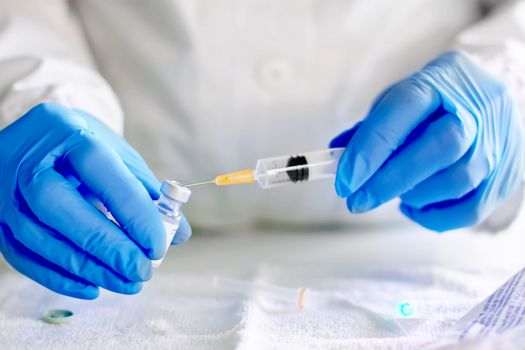
With the knowledge that any of the other coronaviruses could pose a serious future threat, Pizer and its partner BioNTech announced plans on Wednesday to develop a vaccine that will work against SARS-CoV-2 (the virus that causes COVID-19) and the entire class, or family, of related coronaviruses.
Trials in people of this "pan-coronavirus" vaccine are scheduled to start this fall, Reuters reported. The aim of this universal vaccine is to lessen the threat from new variants before they emerge – to provide "durable variant protection.”
To read or more
https://www.webmd.com/vaccines/covid-19-vaccine/news/20220630/pfizer-plans-vaccine-target-all-coronaviruses
#pranaevents #ethiohealth #coronavirus #pfizer #vaccine #event #tradeshow #tradefair #healthevent
Africa steps up targeted COVID-19 vaccination of most at risk people.
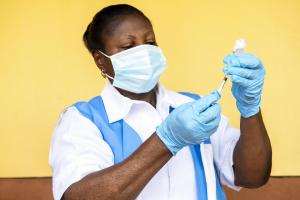
Africa is intensifying COVID-19 vaccination of high-risk population groups with some promising signs. Nearly 50% of health workers and people over the age of 60 are fully vaccinated against the virus in countries reporting data to World Health Organization (WHO).
The data from June 2022 from 31 countries reporting on COVID-19 vaccinations of high-risk groups shows a significant increase compared with the end of December 2021 when only 33% of health workers and 10% of seniors were fully vaccinated. While this is good progress, vaccination coverage, including booster doses, needs to be significantly higher to protect these vulnerable groups.
Only two African countries (Mauritius and Seychelles) have fully vaccinated 70% of their total population. Rwanda is expected to achieve this target by the end of the month based on the pace of its current uptake, bringing to three, the number of countries in Africa reaching the 70% global target by the end of June.
However, Africa has a largely youthful demography, with 45% of the continent’s population under the age of 18. In a bid to use vaccines strategically, most countries are targeting their adult population. WHO is recommending to countries with low vaccination coverage to focus on high-priority groups – health workers, older adults and people with comorbidities. The continent’s coverage of people over 18 years is estimated at 34%, significantly higher than the 18% full coverage in the general population. Nine countries have fully vaccinated more than 70% of their adult population, while 21 have reached more than 40% of adults.
Read more
https://www.afro.who.int/news/africa-steps-targeted-covid-19-vaccination-most-risk-people
#PranaEvents #EthioHealth #Covid-19 #vaccine #healthevent #tradefair #expo
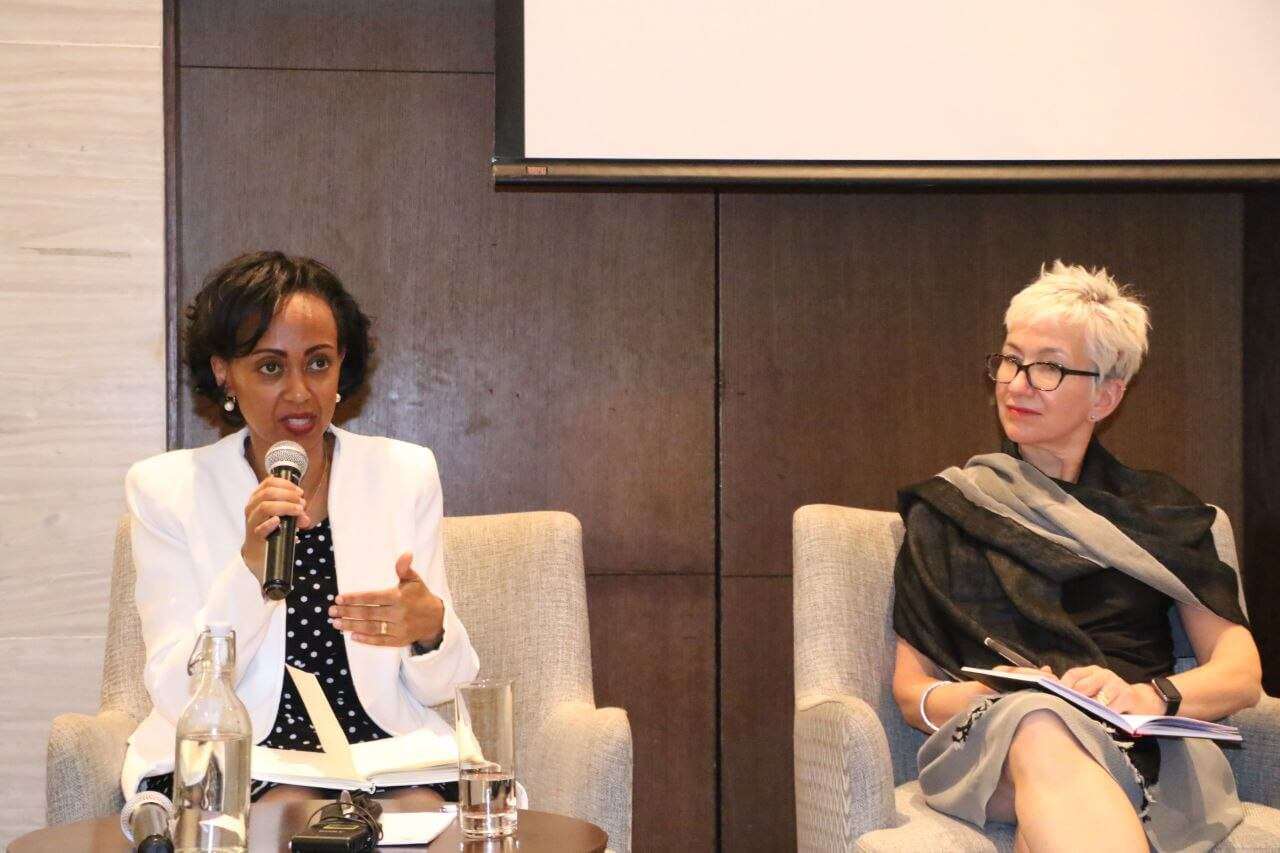
A workshop on Primary Health Care Finance, under the theme "Putting people first through investing in PHC", was held focusing on the recently published Lancet Global Health Commission report. The workshop was attended by the Minister of Health, Dr. Lia Tadesse, the heads of regional health bureaus, the Ministry of Health representatives, the Ministry of Finance and partner organizations.
Ethiopia is implementing a primary health care system by formulating a disease prevention and health promotion policy. According to Dr. Lia Tadesse, the Health Extension Program is working to create model woredas, increase community health insurance coverage and transform all health facilities into high performance.
According to Dr. Lia, over the years, maternal and child health has improved and prevention of major communicable diseases such as malaria, HIV, TB and others has been prevented. She also said that results have been achieved in making immunization services more accessible. She said today's forum will play a significant role in improving strong health care systems and universal health coverage.
At the workshop, the London School of Hygiene and Tropical Medicine and the Lancet Global Health Commission, Professor Cara Hansen, presented a paper on strengthening the primary health care financing system. Minister of Health, Dr. Lia Tadesse, the heads of regional health bureaus, the Ministry of Health representatives, the Ministry of Finance, and partner organizations. coverage. age.
A workshop on Primary Health Care Finance, under the theme "Putting people first through investing in PHC", focused on the recently published Lancet Global Health Commission report. The workshop was attended by the Minister of Health, Dr. Lia Tadesse, the heads of regional health bureaus, the Ministry of Health representatives, the Ministry of Finance, and partner organizations.
Source : https://e-library.moh.gov.et/site/node/344
#pranaevents #ethiohealth #moh #health #workshop #Ethiopia #healthcare
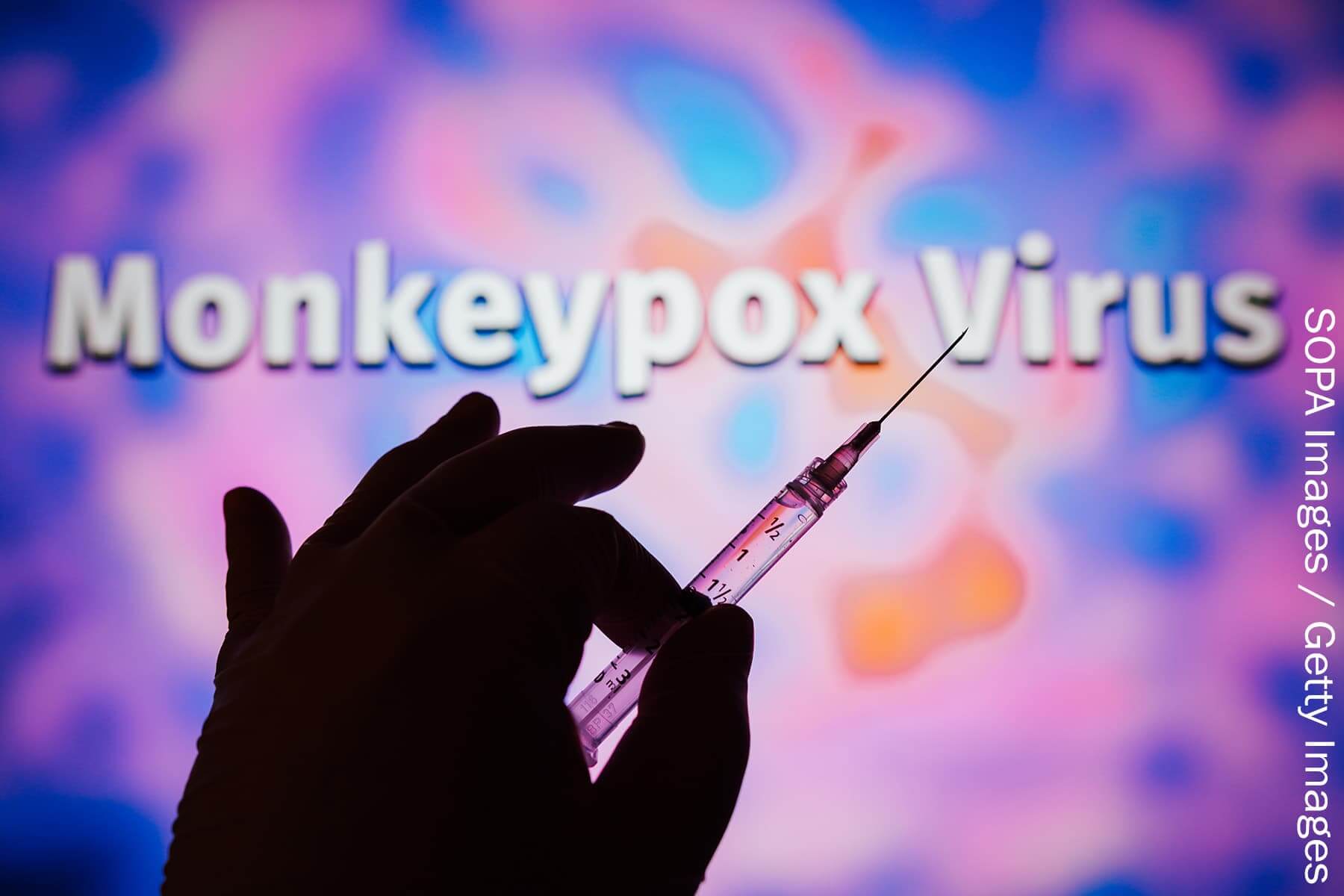
Up until recently monkeypox infection outside of Africa was rare, but a look back at seven cases occurring in Britain over the past few years gives hints at what drugs work to fight the disease -- and which don’t.
The need to better understand treatments for monkeypox became more urgent this month when more than a hundred new cases were recorded across Europe and North America.
"As public health officials are trying to understand what is causing the May 2022 monkeypox outbreaks in Europe and North America -- which have affected several patients who reported neither travel nor an identified link to a previously known case -- our study offers some of the first insights into the use of antivirals for the treatment of monkeypox in humans," said study lead author Dr. Hugh Adler. He's with the Liverpool University Hospitals NHS Foundation Trust.
The new analysis, published May 24 in The Lancet Infectious Diseases, looked at outcomes for seven people treated in Britain for monkeypox between 2018 and 2021. Three patients were thought to have become infected while in Africa, while three more occurred as part of a "case cluster" in Britain.
According to a Lancet news release, one more case "occurred in a health care worker 18 days after initial exposure to the virus and was the first example of monkeypox transmission in a hospital setting outside of Africa."
Two antiviral medications used against smallpox, brincidofovir and tecovirimat, were used "off-label" -- meaning they are not specifically approved to treat monkeypox -- as treatment in the monkeypox cases.
Source: www.webmd.com
#pranaevents #ethiohealth #monkeypox #health #virus #treatment

Mesfin Lemma, MD, is the first person in the world to perform minimally invasive spine surgery with the Excelsius3D 3-in-1 Intelligent Imaging System.
Mesfin Lemma, MD, of MedStar Orthopaedic Institute, recently became the world’s first spine surgeon to perform minimally invasive spine surgery using the Excelsius3D 3-in-1 intelligent imaging system. Because it displays real-time 3D video and can perform the surgery more precisely and minimally invasively.
By combining cone-beam CT, fluoroscopy, and digital radiography into a single unit, the need for multiple imaging devices is eliminated. This can save time during the procedure, which means our patients will spend less time under anesthesia.
About Dr. Lemma
Dr. Lemma is a board-certified, fellowship-trained orthopaedic surgeon, specializing in the surgical treatment of cervical, thoracic, and lumbar spine disorders. He sees patients in Bel Air, Rosedale / White Marsh, and in Baltimore at MedStar Union Memorial Hospital. He currently serves as division chief of spine surgery as well as director of minimally invasive spine surgery at MedStar Union Memorial Hospital.
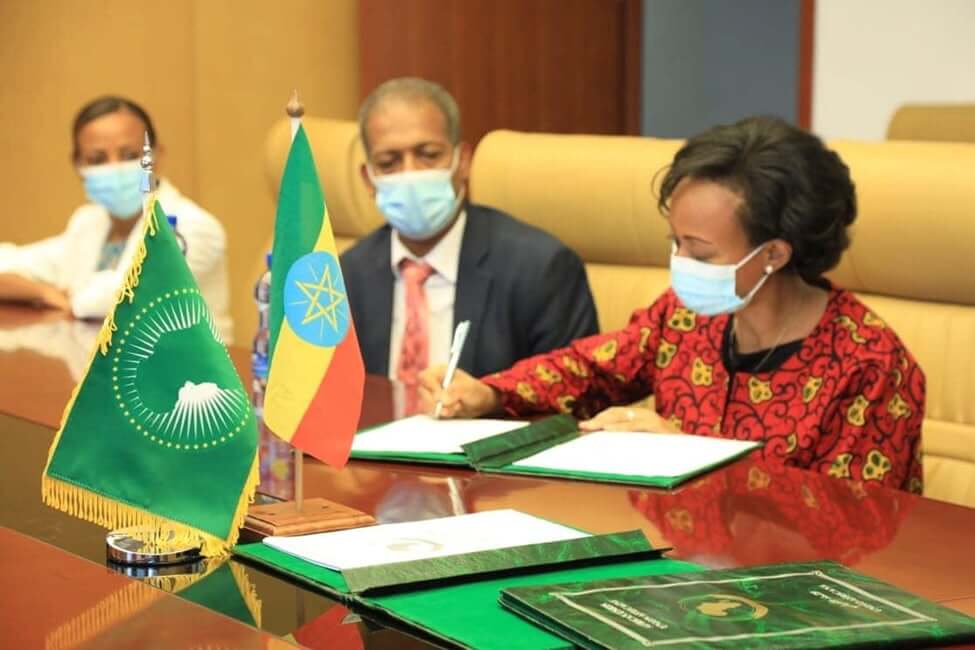
Addis Ababa, Ethiopia (April 2022): The Minister of Health, Dr. Lia Tadesse, has signed the African Medicines Agency (AMA) Treaty today (April 27) making Ethiopia the 29th member state of the African Union to sign the treaty.
Ethiopia’s Minister of Health, Dr. Lia Tadesse, stated on Twitter that the AMA will support national and regional efforts to build stable, dependable, and efficient regulatory systems for medicinal products that benefit the continent’s public health.
According to Ethiopia’s Ministry of Foreign Affairs, the African Union’s Deputy Chairperson, Dr. Monique Nsanzabaganwa, thanked the Minister’s leadership on their resolve to sign the treaty. She also emphasized the platform’s relevance in establishing a robust regulatory framework and fostering a thriving indigenous medical business on the continent.
Click here to read more
https://businessinfoeth.com/ethiopia-has-signed-the-african-medicines-agency-ama-treaty/
#pranaevents #ethiohealth #mohe #healthnews #ethiopia #africa #event #tradefair #healthexpo
Nothing More to load
No more pages to load