Moms who had COVID-19 when they gave birth may help stimulate their infant's burgeoning immunity against the virus by breastfeeding, a small study hints.
It's well known that breast milk contains certain maternal antibodies that can help protect infants from infections as their own immune systems develop.
Studies indicate that's true of SARS-CoV-2, as well: Breast milk from moms who had COVID-19, or have been vaccinated against it, contains antibodies against the virus.
Antibodies passed from mom to baby — both in the womb and via breastfeeding — offer what's called "passive" immune protection, where a mother's antibodies stand guard while the baby's immune system develops.
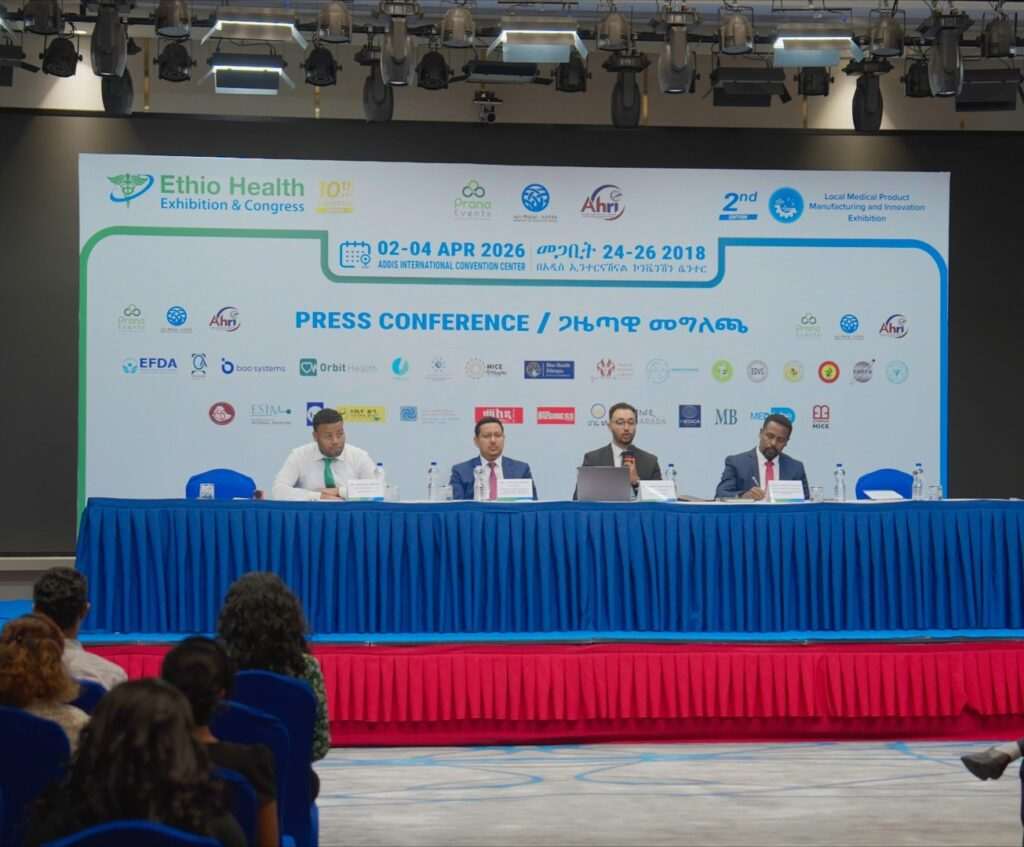
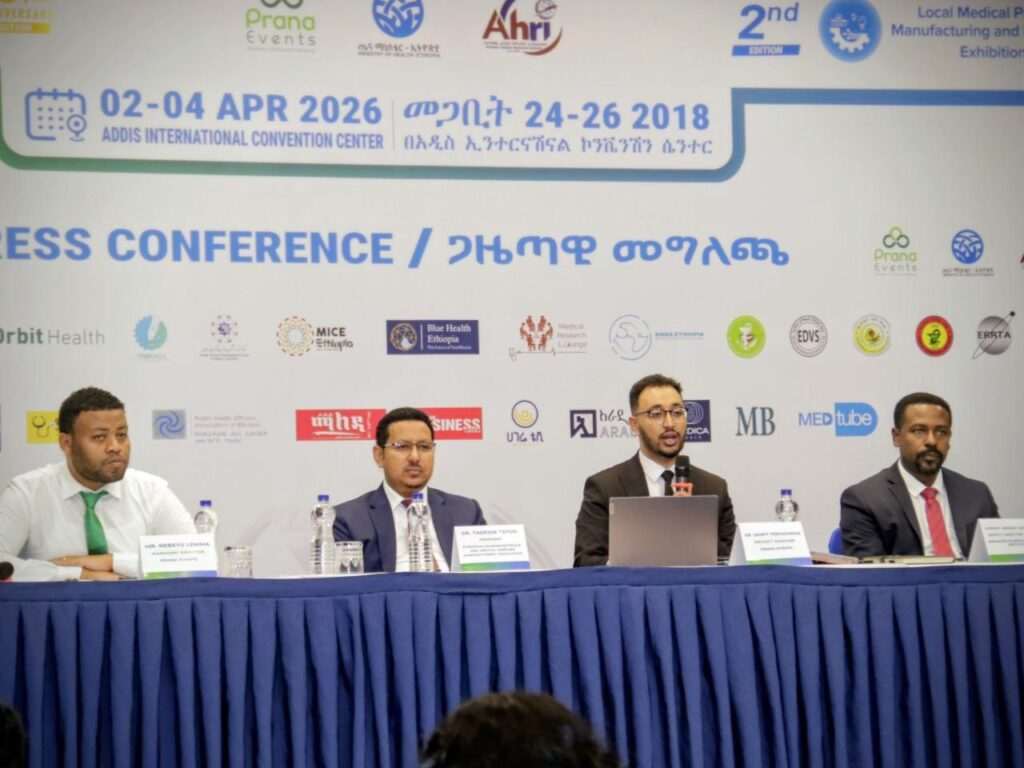
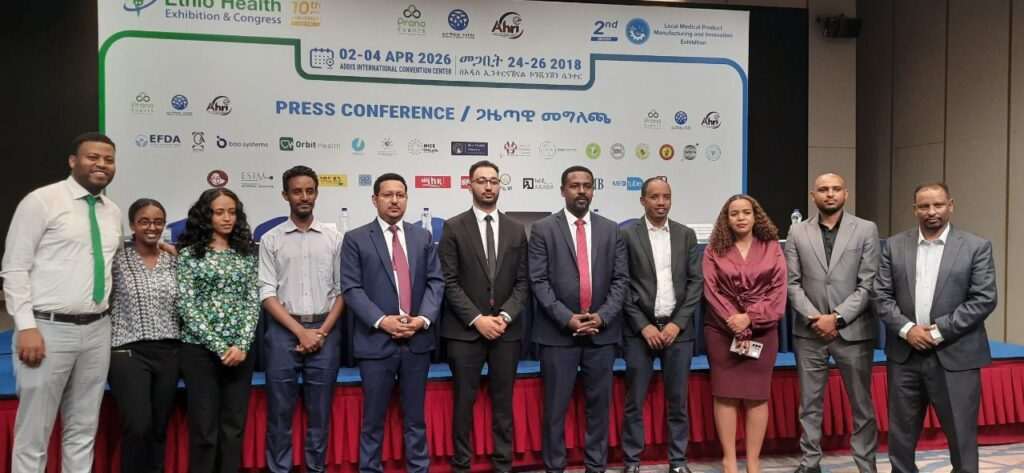
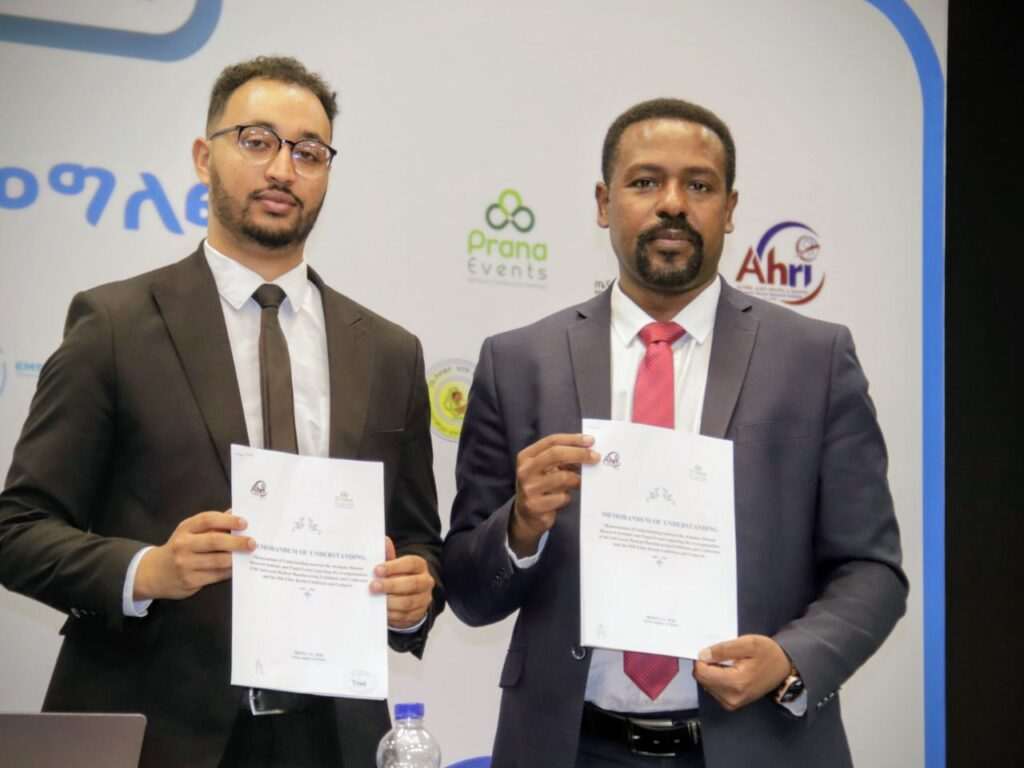
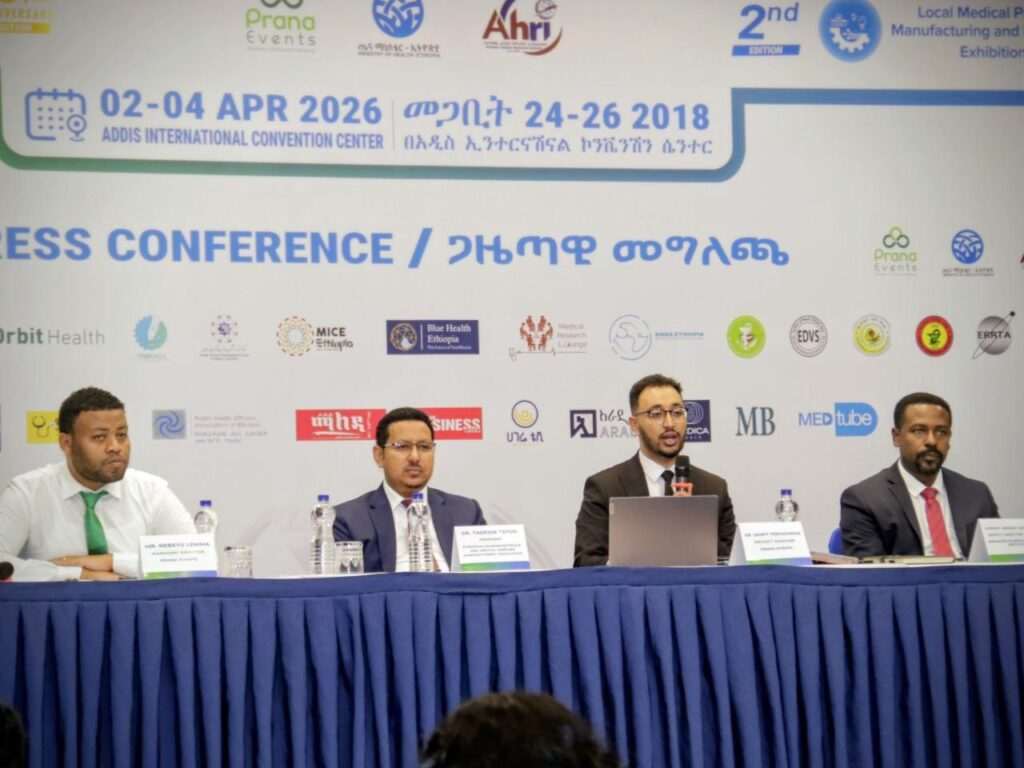
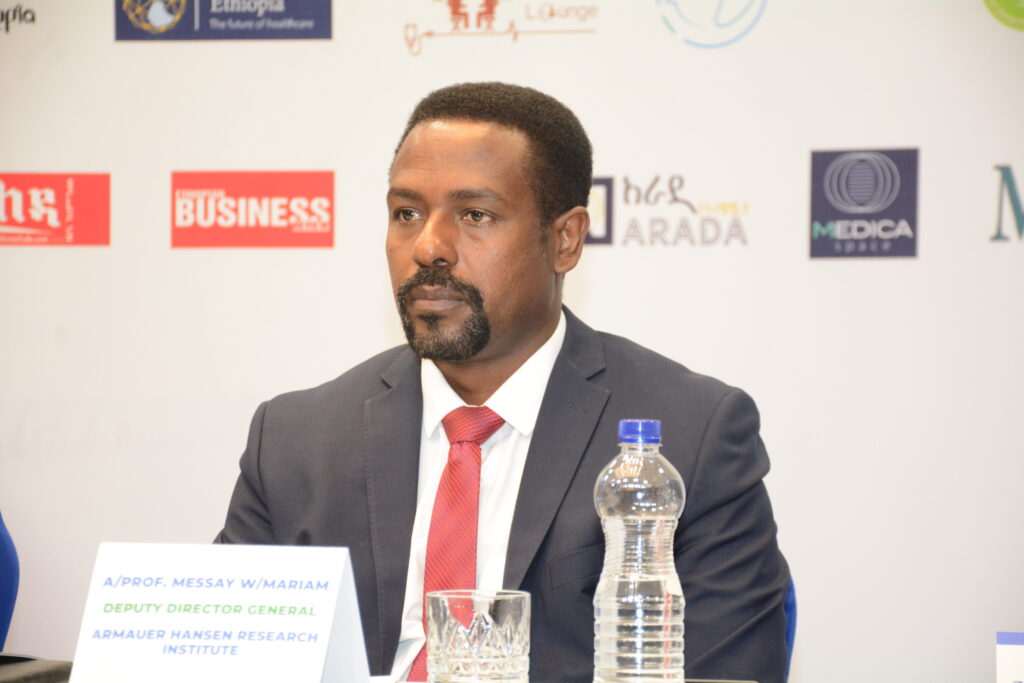
The ETHIO HEALTH 2026 press briefing brought together major stakeholders, highlighted by the signing of an MoU between Prana Events, the Ministry of Health, and AHRI. strengthening collaboration on healthcare innovation and local manufacturing. As ETHIO HEALTH celebrates its 10th anniversary, this year also introduces the 2nd Medical Equipment Manufacturing & Innovation Exhibition, reinforcing national efforts to build a stronger healthcare system

Health security and pandemic preparedness efforts are usually led by the public sector, and often fail to include private sector providers. But community pharmacists and private sector providers make up nearly 40% of health services in low- and middle-income countries (LMICs) and are essential in the fight against infectious diseases. Given this reality, it is essential we leverage the private sector to strengthen health security and pandemic preparedness.
Private sector providers are not just healthcare professionals, they are trusted community members. Because of their high volume of clients, they are often the first point of contact for people who contract infectious diseases, which is of critical importance in preventing and monitoring disease outbreaks. They have the local knowledge and relationships needed to support a community-led outbreak response effectively. By integrating them into our health security strategies, we can create a more resilient and responsive mixed health system.
The untapped potential of private providers
A new PSI-led study surveyed 1,008 registered pharmacies and 574 providers from clinics and hospitals across Cambodia, Laos, and Vietnam. The results highlight the often-overlooked role of private healthcare providers in pandemic preparedness and response. Through this study, we learned:
The majority of private sector providers are not engaged by local authorities in pandemic preparedness and response activities – Between 2020 and 2022, only 37% of private providers reported being involved in preparedness activities (e.g. contact tracing, advising on health emergencies, surveillance activities, case detection and reporting, and more), and 33% in emergency response efforts. Cambodia saw higher engagement of private providers (38%) compared to Vietnam (22%) and Laos (20%). In Vietnam, 59% of all respondents were involved in preparedness activities, however in Cambodia and Laos, respondents reported more involvement in response efforts. Healthcare providers in private clinics were more engaged (43%) compared to pharmacies (27%).
Private sector providers are willing and able to help strengthen health security – A significant percentage (85% in Cambodia; 89% in Laos; 83% in Vietnam) of providers expressed moderate to high willingness to get involved in disease surveillance and community engagement. Those with prior experience in public health efforts were even more eager to participate.
How to build private sector capacity for health security
To truly harness the power of private providers, we must systematically include them in health security investments. This means providing them with the resources, training, and support they need to prevent, detect, and respond to infectious diseases.
Read more here
The ETHIO HEALTH 2026 press briefing brought together major stakeholders, highlighted by the signing of an MoU between Prana Events, the Ministry of Health, and AHRI. strengthening collaboration on healthcare innovation and local manufacturing. As ETHIO HEALTH celebrates its 10th anniversary, this year also introduces the 2nd Medical Equipment Manufacturing & Innovation Exhibition, reinforcing national efforts to build a stronger healthcare system
Health security and pandemic preparedness efforts are usually led by the public sector, and often fail to include private sector providers. But community pharmacists and private sector providers make up nearly 40% of health services in low- and middle-income countries (LMICs) and are essential in the fight against infectious diseases. Given this reality, it is essential we leverage the private sector to strengthen health security and pandemic preparedness.
Private sector providers are not just healthcare professionals, they are trusted community members. Because of their high volume of clients, they are often the first point of contact for people who contract infectious diseases, which is of critical importance in preventing and monitoring disease outbreaks. They have the local knowledge and relationships needed to support a community-led outbreak response effectively. By integrating them into our health security strategies, we can create a more resilient and responsive mixed health system.
The untapped potential of private providers
A new PSI-led study surveyed 1,008 registered pharmacies and 574 providers from clinics and hospitals across Cambodia, Laos, and Vietnam. The results highlight the often-overlooked role of private healthcare providers in pandemic preparedness and response. Through this study, we learned:
The majority of private sector providers are not engaged by local authorities in pandemic preparedness and response activities – Between 2020 and 2022, only 37% of private providers reported being involved in preparedness activities (e.g. contact tracing, advising on health emergencies, surveillance activities, case detection and reporting, and more), and 33% in emergency response efforts. Cambodia saw higher engagement of private providers (38%) compared to Vietnam (22%) and Laos (20%). In Vietnam, 59% of all respondents were involved in preparedness activities, however in Cambodia and Laos, respondents reported more involvement in response efforts. Healthcare providers in private clinics were more engaged (43%) compared to pharmacies (27%).
Private sector providers are willing and able to help strengthen health security – A significant percentage (85% in Cambodia; 89% in Laos; 83% in Vietnam) of providers expressed moderate to high willingness to get involved in disease surveillance and community engagement. Those with prior experience in public health efforts were even more eager to participate.
How to build private sector capacity for health security
To truly harness the power of private providers, we must systematically include them in health security investments. This means providing them with the resources, training, and support they need to prevent, detect, and respond to infectious diseases.
Read more here
Vaccines are a low-cost, high-impact intervention to save lives, but only if people can access them. In Africa, governments have successfully improved immunization rates in recent years, but the COVID-19 pandemic overburdened public health systems and stalled this progress. Over half a million children under 5 continue to die each year from vaccine-preventable diseases.
To prevent millions of cases of life-threatening, vaccine-preventable diseases, we face the challenge of building robust vaccine education and delivery systems while reducing stressors on the public health sector – and pharmacies are a solution. Community pharmacies are well-established actors in the private sector and Pharmacy-Based Immunization Delivery (PBID) is a proven method to effectively and sustainably drive vaccinations in many countries. The model, however, is still relatively new in Africa.
PSI is piloting PBID starting in Nigeria, Ethiopia, and Kenya. By integrating pharmacies into mixed health systems and building community-based, accessible immunization services, we are making health systems more resilient to the effects of future pandemics and climate shocks.
“Amidst global decreases in routine immunizations, we see the potential to mobilize pharmacies to provide vaccines – all at scale,” says Karl Hofmann, CEO and President, PSI. “Building from PSI’s 54+ years working with the public and private sectors, this partnership will engage the private sector for vaccine delivery, supporting health systems to increase vaccination rates; equipping people to take charge of their health; and accelerating our collective progress toward Universal Health Coverage.”
PSI’s work is being funded by a JPY 1,007 million (Approx. USD 7.0 million*) donation from Takeda Pharmaceutical Company Limited (Takeda), through their Global CSR program. Takeda Global CSR Program makes robust, long-term funding commitments to support activities in developing and emerging countries that prevent disease, train health workers, strengthen supply chains, and improve access to quality diagnosis and treatment. Working in partnership with government and pharmaceutical associations and regulatory bodies in each country, PSI will engage over 120 urban and rural pharmacies to vaccinate 1 million people over a period of four years. Initial PBID will focus on distributing vaccines to high-risk populations for two endemic diseases in each country, Typhoid and HPV vaccines in Nigeria and Kenya and Tetanus-Diphtheria and HPV vaccines in Ethiopia. The HPV vaccine, which prevents cervical cancer, is a priority in all three countries because cervical cancer is the leading cause of cancer deaths in Kenya and the second leading cause of cancer deaths in Ethiopia and Nigeria.
“Proposals we receive are put to an employee vote to select for funding, and PSI is one of the awardees. I believe the idea that pharmacies can safely administer life-saving vaccines really captured the interest of our employees. An innovative, low-cost way to build capacity for private sector outlets, as part of the national vaccine response. The potential to ensure all communities have access to life-saving immunizations is exciting” says Toshie Ando, Head of Global CSR & Partnership Strategy, Global Corporate Affairs, Takeda.
Read more here
In the post-COVID world, VCs say it’s not as easy to get excited about investing in digital health. Deal activity in healthcare IT was relatively flat in Q1 2024 at 74 total deals, valued at about $1 billion total, up only 3% from the year-ago quarter, according to PitchBook data.
Still, promising startups have grabbed investors’ attention this year. TechCrunch spoke with about a dozen healthcare VCs about the companies they think have the most promising future. While recently formed AI-driven startups that are solving staggering administrative challenges in the U.S. healthcare system dominated their recommendations, they also mentioned several slightly older, non-AI-focused businesses.
We narrowed their suggestions to the list of names that more than one VC mentioned, which came in at an even 10 companies. VCs discussed with us the companies that were both in their portfolios and not.
Abridge
What it does: Uses AI to automate medical records based on conversations between doctors and patients.
Founded in 2018 by Shiv Rao, a practicing cardiologist, Abridge is an early entrant into the medical note-taking space and one that has secured integration with the all-powerful Epic Systems health records software.
Why it’s promising: The Pittsburgh-based startup generates excitement among investors and hospital systems eager to free up physicians’ time spent on note-taking. Abridge is the health tech startup that among investors we talked to was mentioned the most.
Some investors said that Abridge is leading its category. Other companies competing to dominate the AI-powered medical note-taking market include Ambience, Nabla, Microsoft-owned Nuance and Suki.
Read more here
A hackathon is an event where individuals, often software developers, collaborate intensively on projects, typically within a short timeframe. Participants work on coding, problem-solving, and innovation, aiming to create functional and often prototype solutions. It's a platform for creativity and learning in a competitive or collaborative environment.
The Digital Health Hackathon is a three-day event that will take place from March 7th to 9th, 2024, at the
Millennium Hall in Addis Ababa. The hackathon is organized by Ethio Health, Ethiopia’s premier
international exhibition and congress, in partnership with various organizations. The hackathon is part of
the 8th Ethio Health Exhibition and Congress, the largest congregation of healthcare, medical, and
pharmaceutical professionals in Ethiopia.
The hackathon aims to address some of the most pressing healthcare challenges in Ethiopia by leveraging
digital health technologies, such as EMR, artificial intelligence, mobile health, telemedicine, and big data.
The hackathon will focus on six specific challenges, based on the key topics or agendas from the 8th
Ethio Health Exhibition and the needs assessment conducted:
The hackathon is open to anyone interested in solving healthcare problems with technology, regardless of
their background, experience, or skill level. The hackathon is an opportunity to learn from experts, mentors, and peers, to network with potential partners, investors, and customers, and to showcase and
pitch the solutions to a panel of judges and a large audience. The hackathon will also offer attractive
prizes and recognition for the best solutions, as well as the possibility of further development and
implementation.
To register please click